FREE
TEKNO
Photographic Approach
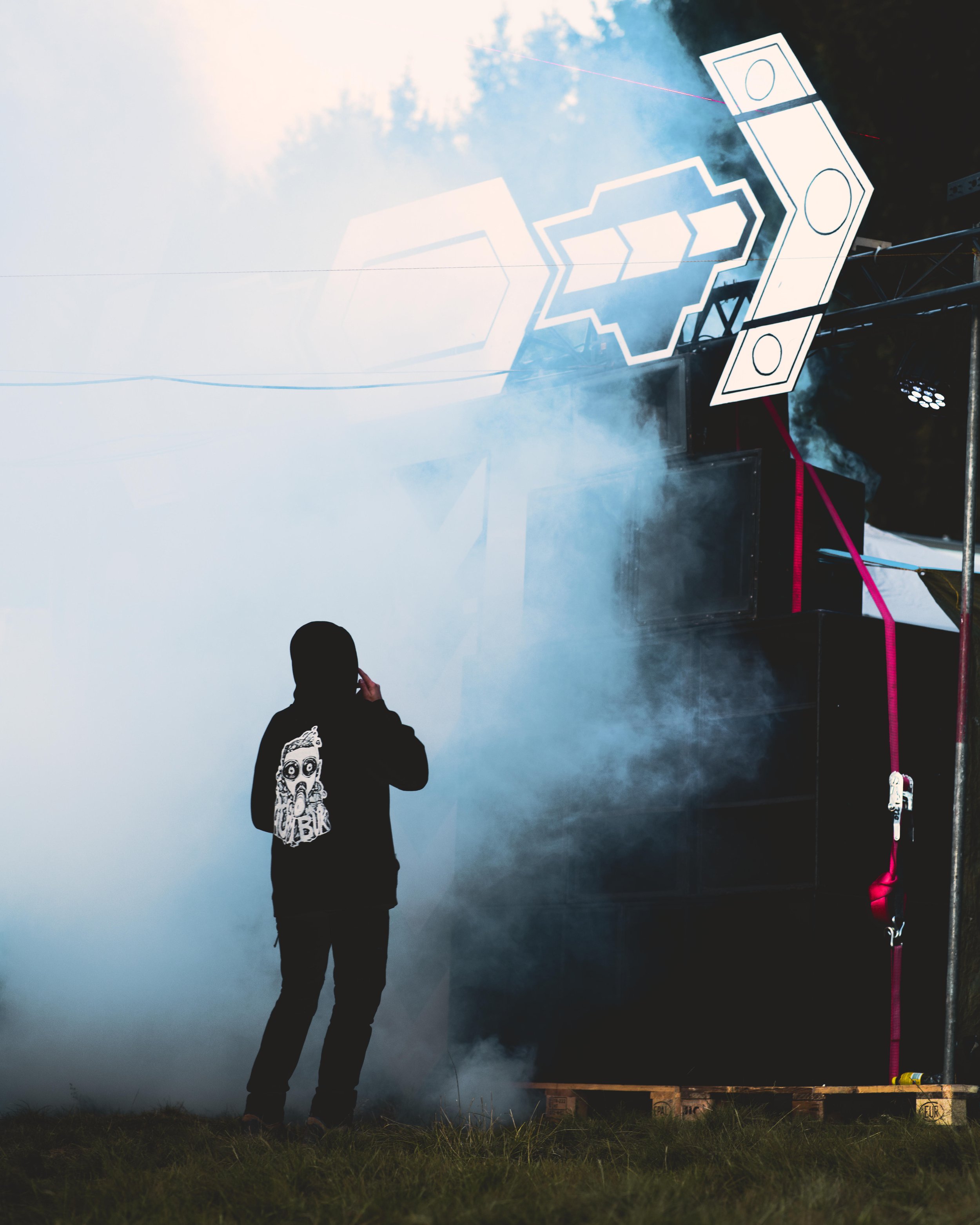
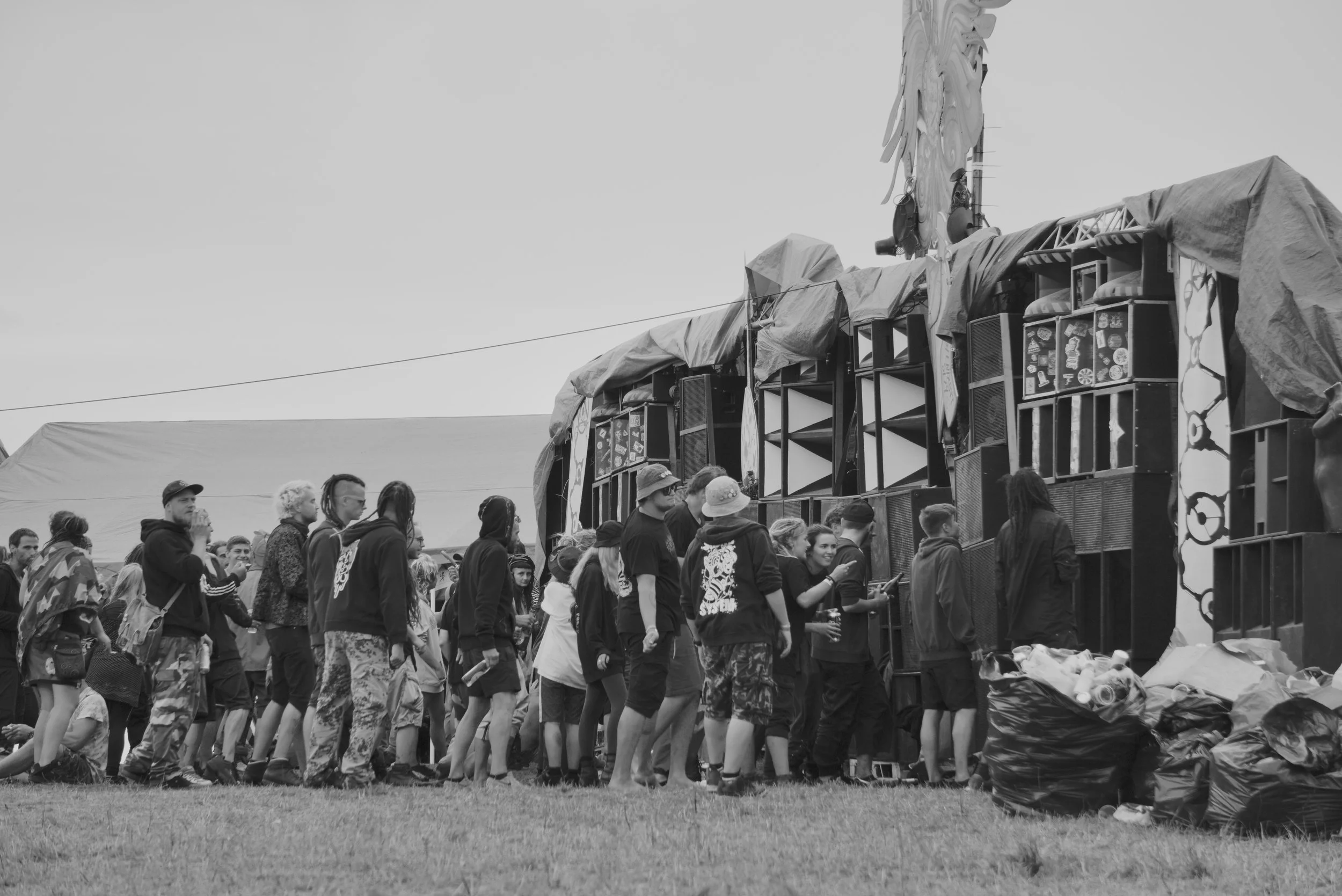
For several years, I have been documenting the European FREE TEKNO scene through photography.
The focus is purely on capturing moments, people, and atmosphere, without personal opinions or evaluations.
This collection offers an insight into the cultural diversity and energy of the scene, presented through authentic images.
Background
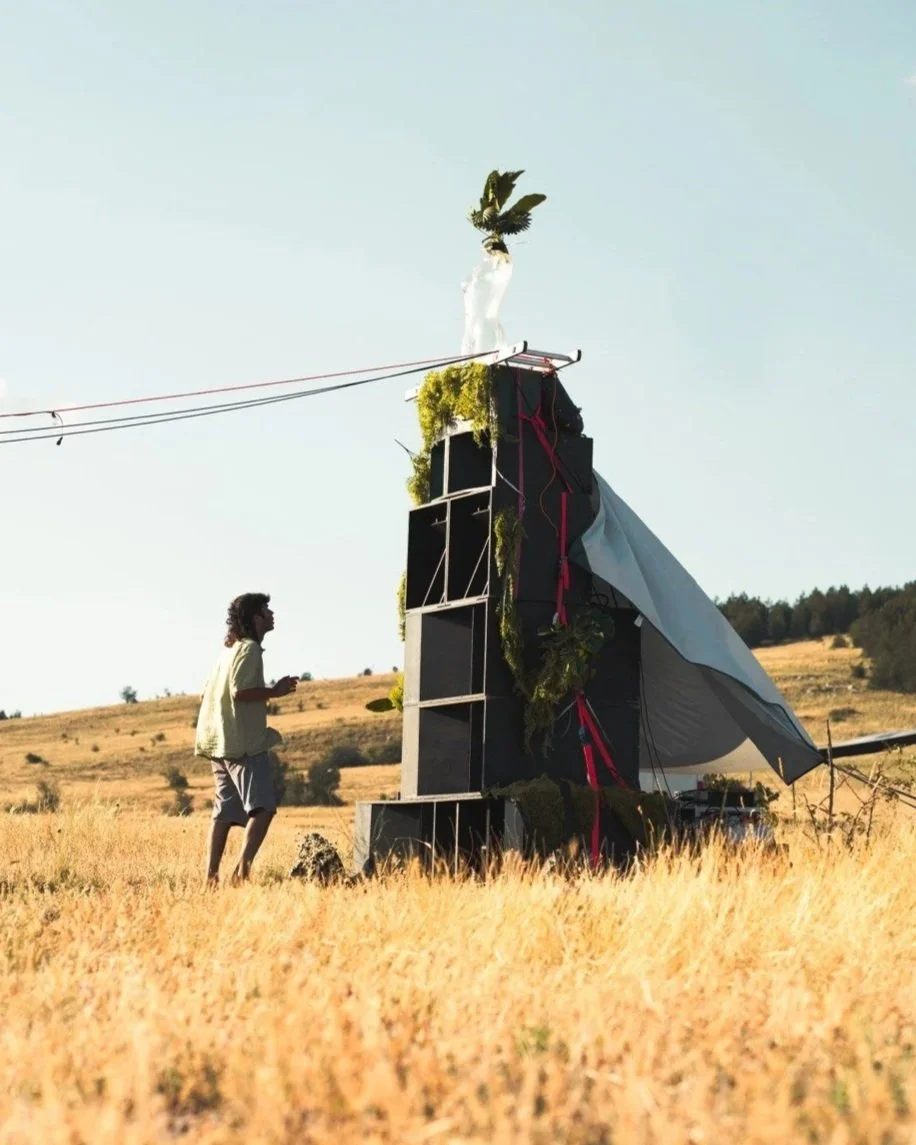
The FREE TEKNO scene emerged in Europe during the early 1990s, influenced by underground electronic movements and collectives seeking alternatives to commercial club culture.
Originating largely in countries such as France and the United Kingdom, it quickly spread across the continent, forming a decentralized network of artists, travelers, and sound systems.
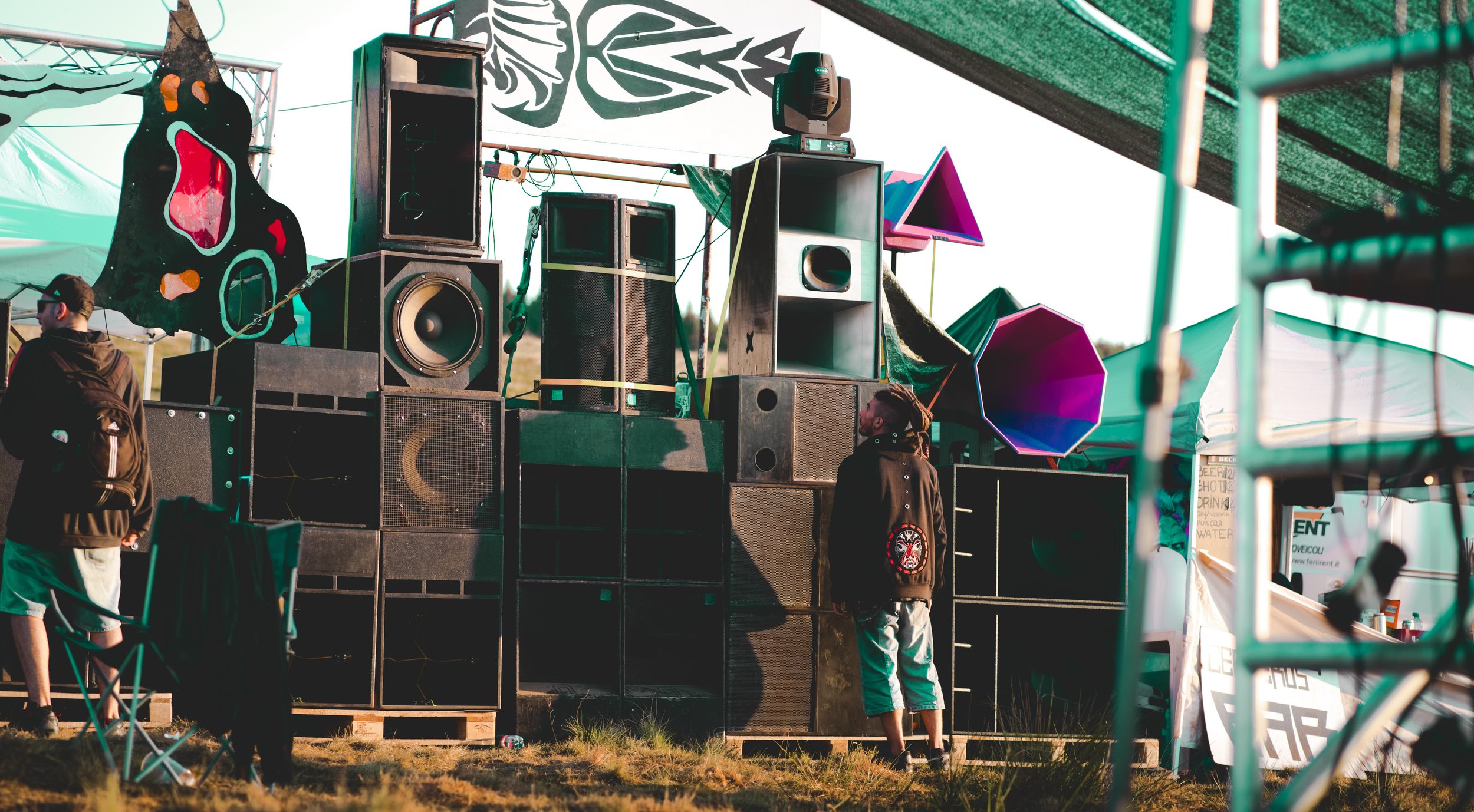
At its core, the scene is based on principles of autonomy and self-organization. Events are typically organized independently by collectives, including the setup of sound systems, locations, and logistics.
Free parties are often held in remote or repurposed spaces such as fields, forests, or abandoned industrial sites. They are usually non-commercial, with no fixed entrance fee, and operate outside traditional event structures.
The music played is predominantly electronic, ranging from tekno and tribe to hardtek and related styles. However, beyond music, the gatherings represent a social and cultural environment shaped by mobility, collaboration, and shared experience.
This documentation focuses on capturing these elements through photography — without interpretation or judgment, providing a visual insight into a scene that exists largely outside conventional frameworks.
FRance
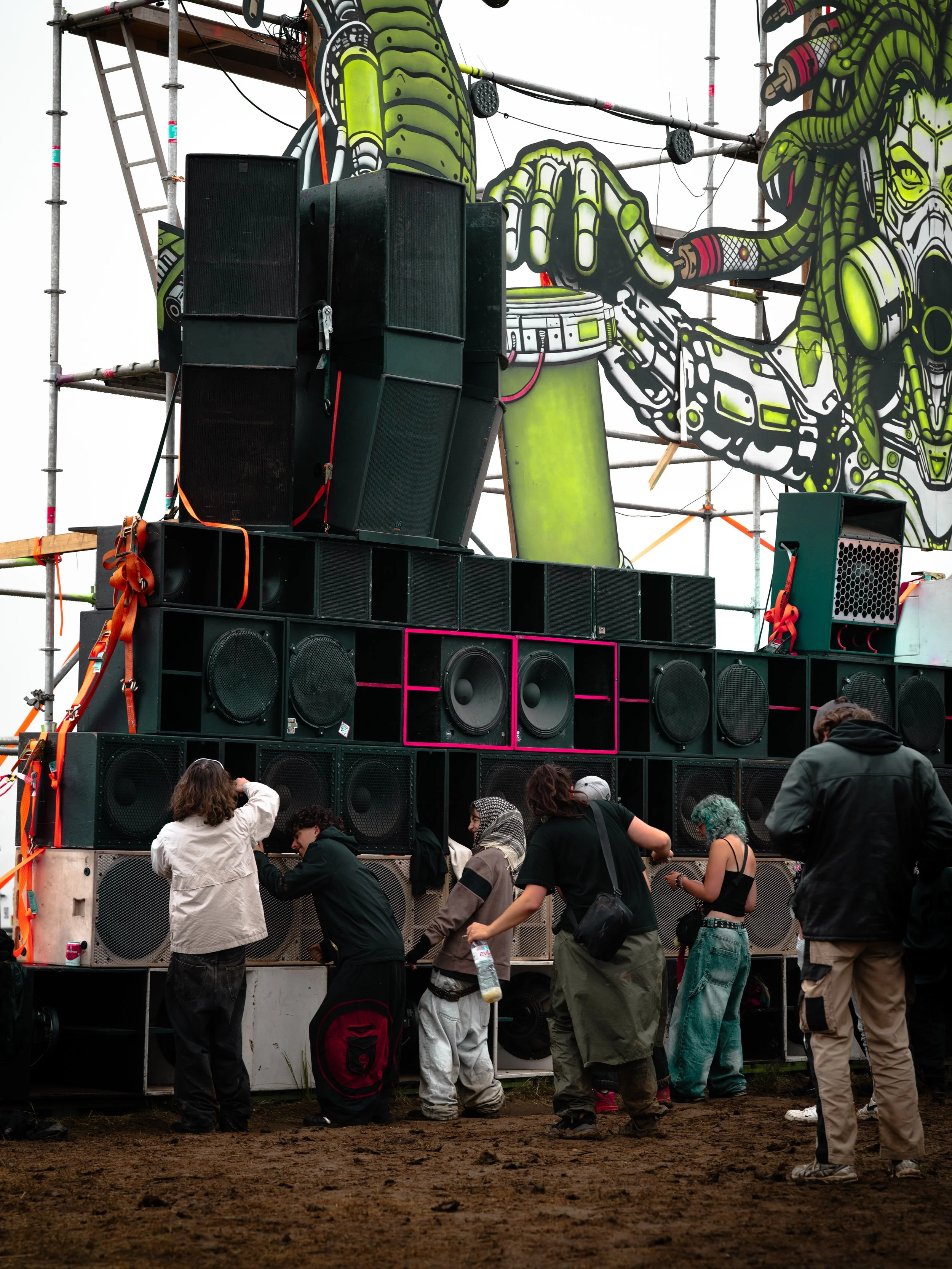
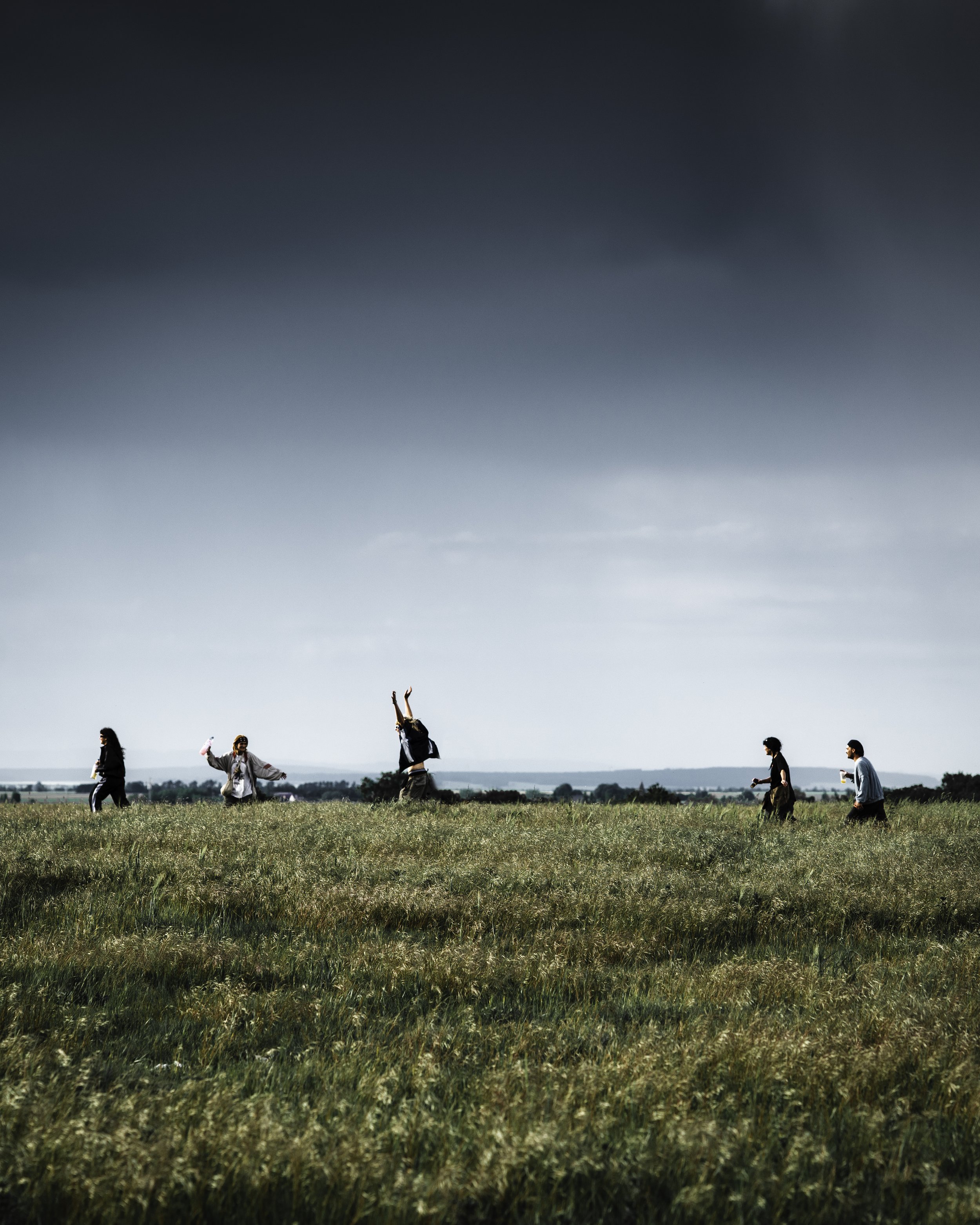
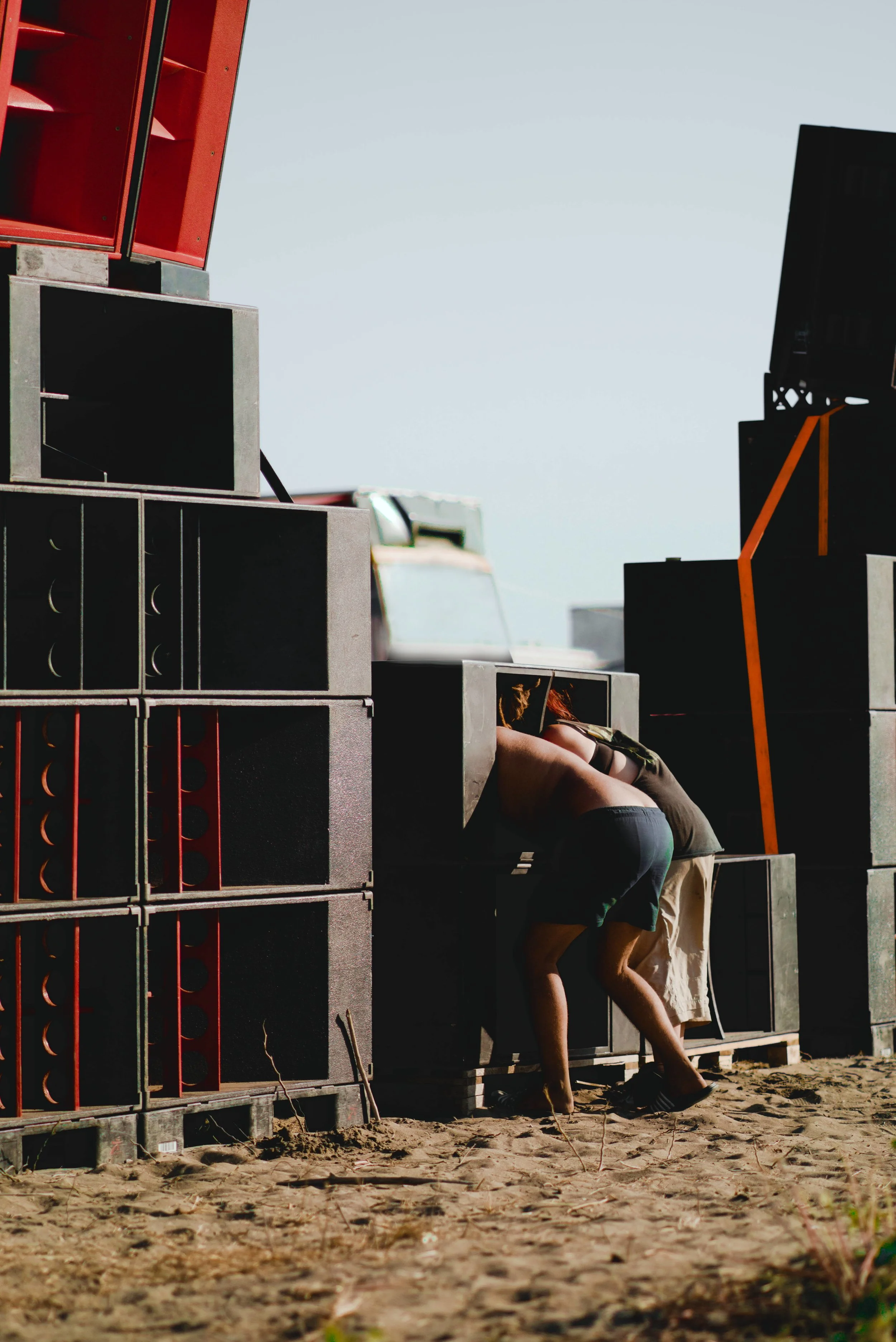
France played a central role in shaping the European free-techno movement during the 1990s.
Following the arrival of traveller collectives and underground sound systems influenced by the UK scene, large-scale teknivals rapidly expanded across the country.
In the early 2000s, increasing political pressure and proposed anti-rave legislation led to large demonstrations and protest gatherings within the scene.
Much of the opposition focused on laws allowing authorities to confiscate sound systems and intensify legal consequences for organizers.
Despite decades of regulation and police intervention, France remains one of the most influential environments within the European free-party movement.
Albania
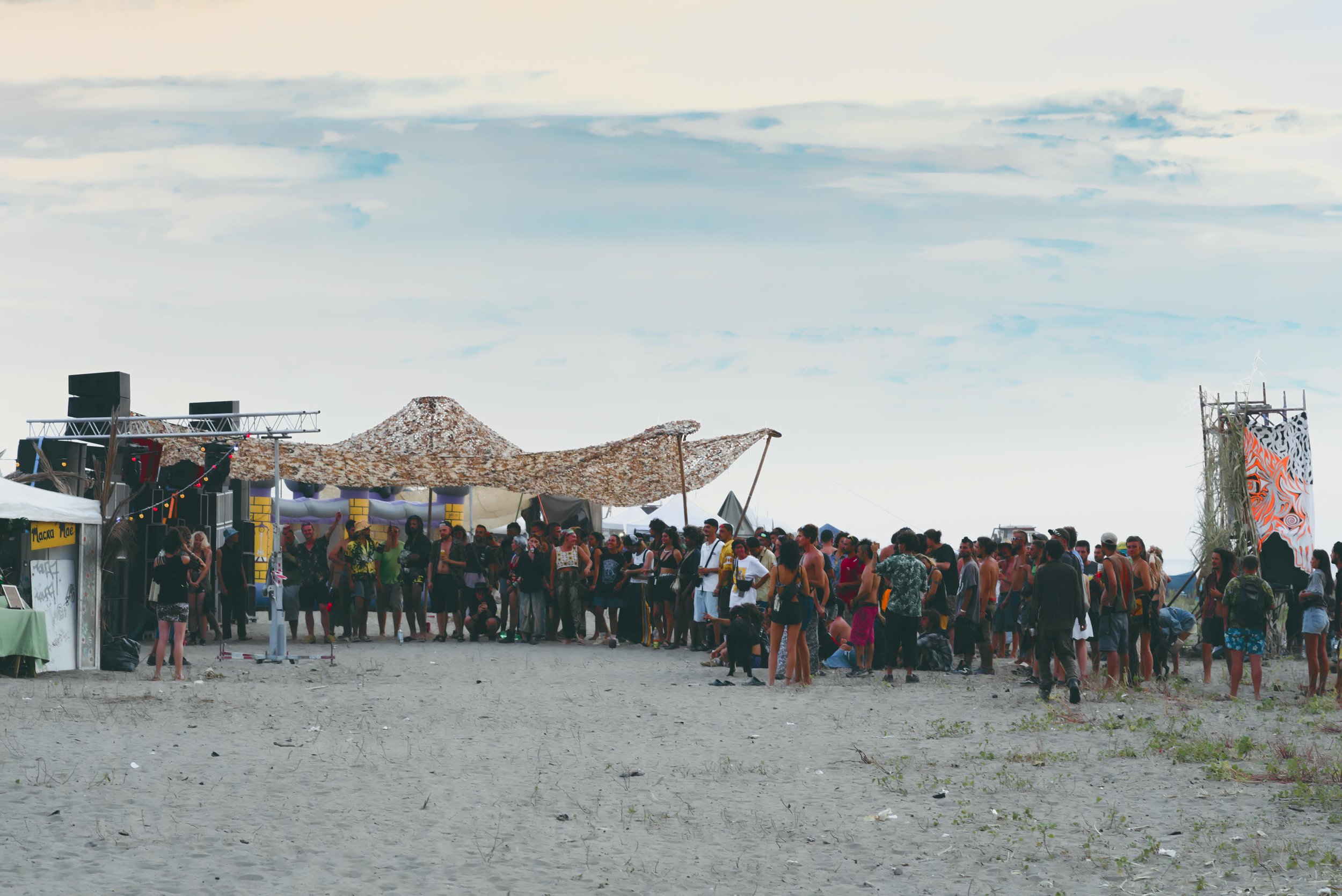
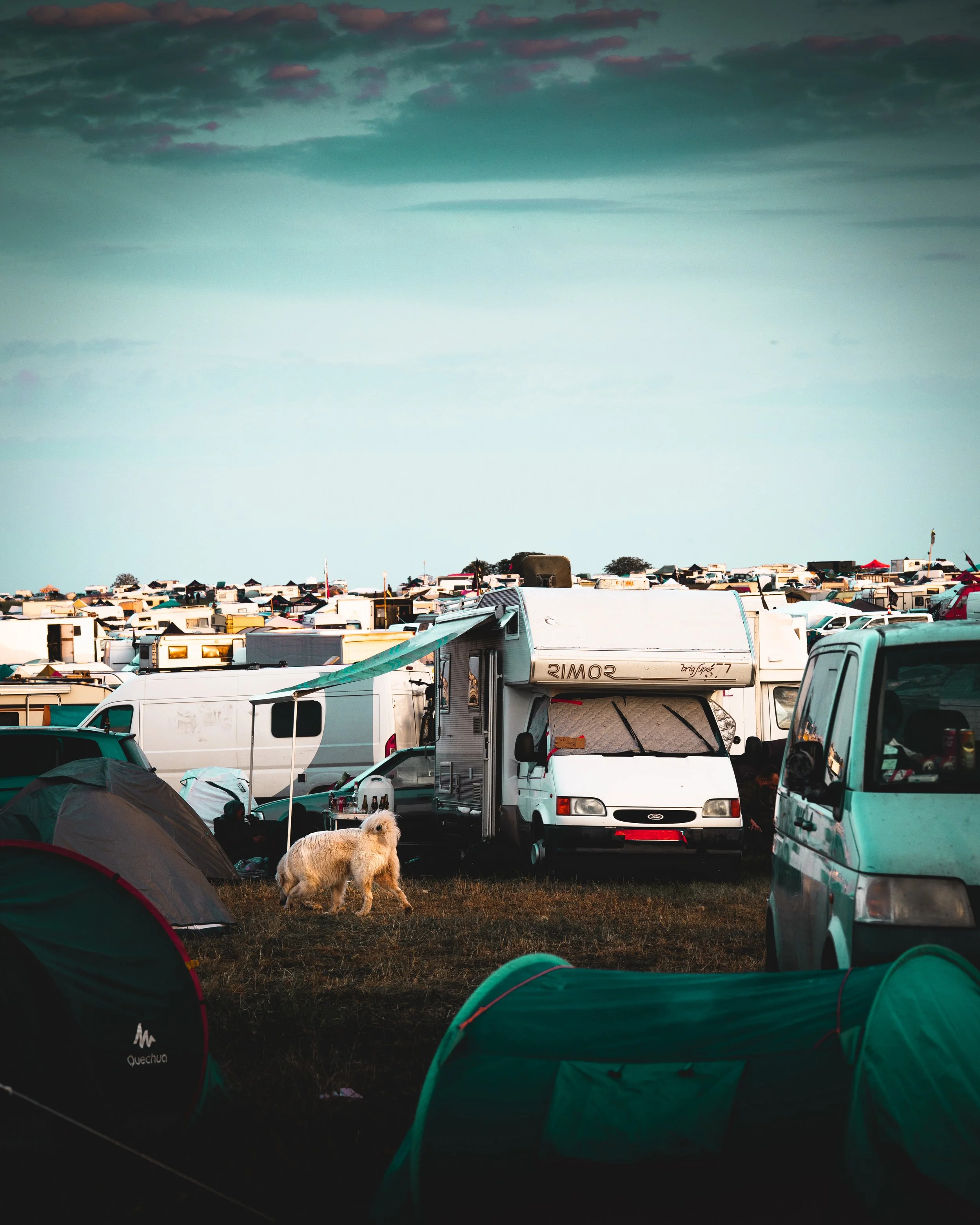
Located far from urban structures, some of the largest free parties in Europe take place in remote areas of Albania.
The scale of these gatherings often extends far beyond what is commonly associated with underground electronic events, with kilometers of sound systems and temporary camps forming isolated environments over multiple weeks.
Within these spaces, euphoria, exhaustion, freedom, and criminal structures can exist side by side. Drug use, weapons, and organized groups are part of the reality surrounding certain events, while law enforcement presence is often limited or absent.
At the same time, the scene attracts participants from across Europe searching for autonomy, intensity, and collective experience outside conventional social frameworks.
Over time, parts of the European Freetekno scene began distancing themselves from the AlbaniaTek gathering due to concerns surrounding organized criminal influence, violence, and exploitation within the environment.
This shift contributed to the decline and eventual disappearance of an event that had previously become one of the largest meeting points for the international scene.
Germany
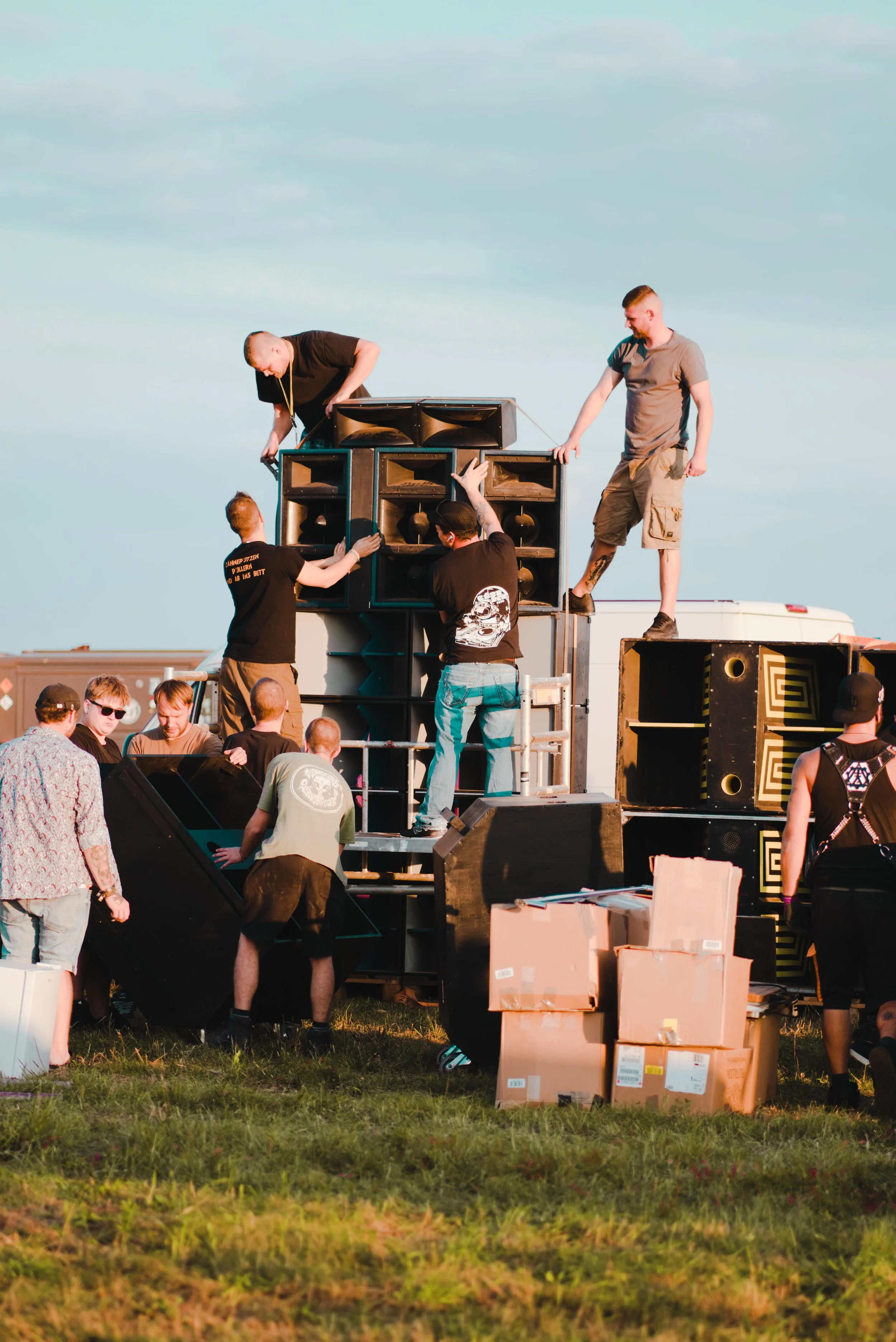
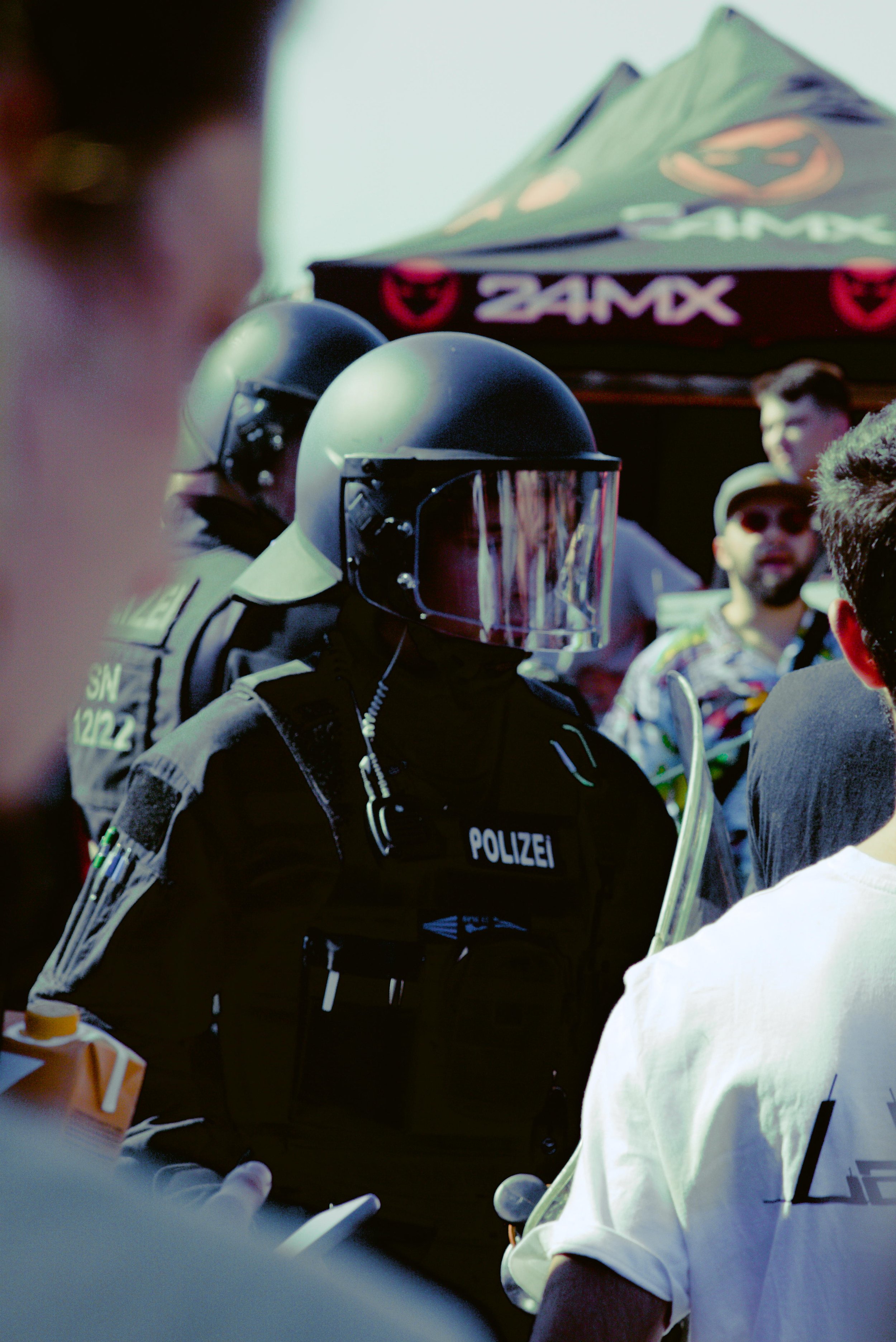
In Germany, the Free Tekno scene developed through a wide network of independent collectives, temporary gatherings, and autonomous sound systems.
For many years, free parties took place across forests, industrial areas, and remote locations, forming part of a broader underground electronic culture.
Over time, increasing police presence, legal pressure, and surveillance significantly changed the environment surrounding these events.
Large-scale gatherings became increasingly difficult to organize, leading many collectives to shift toward smaller and more decentralized forms of free parties.
At the same time, longrunning projects and sound systems such as EastTek have faced growing challenges in maintaining spaces for independent underground culture.
The following images document fragments of a scene that continues to exist despite increasing restrictions and structural pressure.
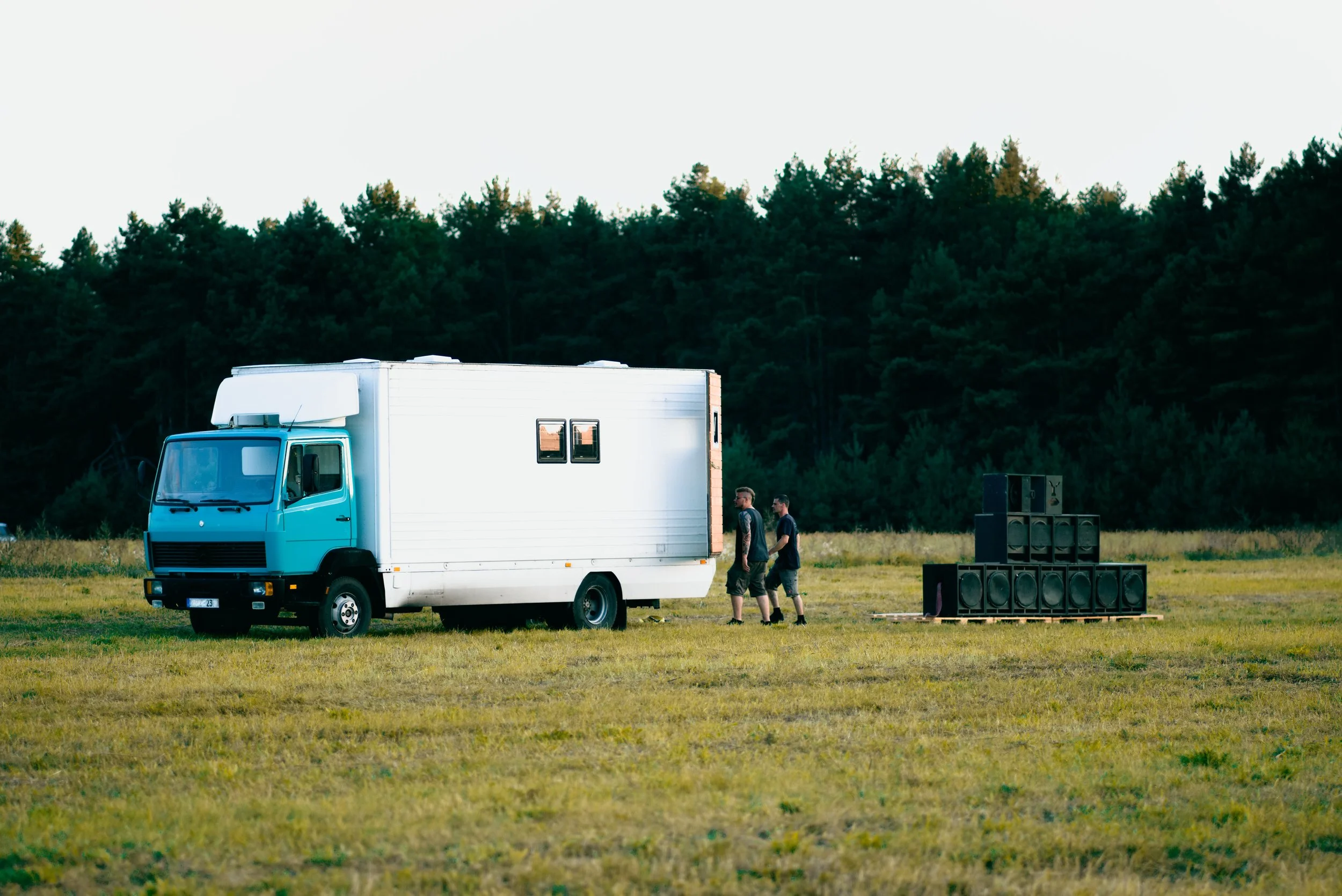

CZEch
republic
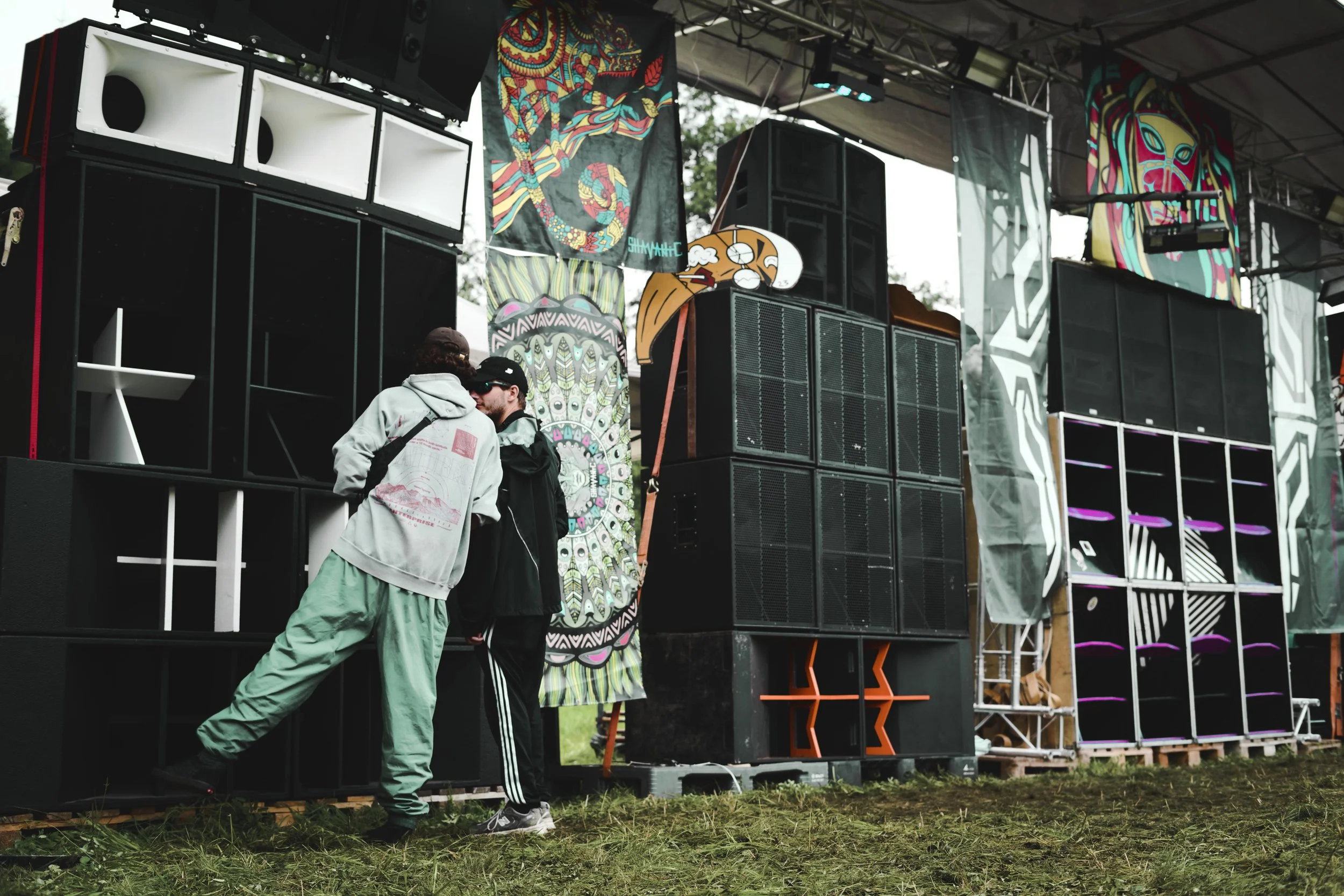
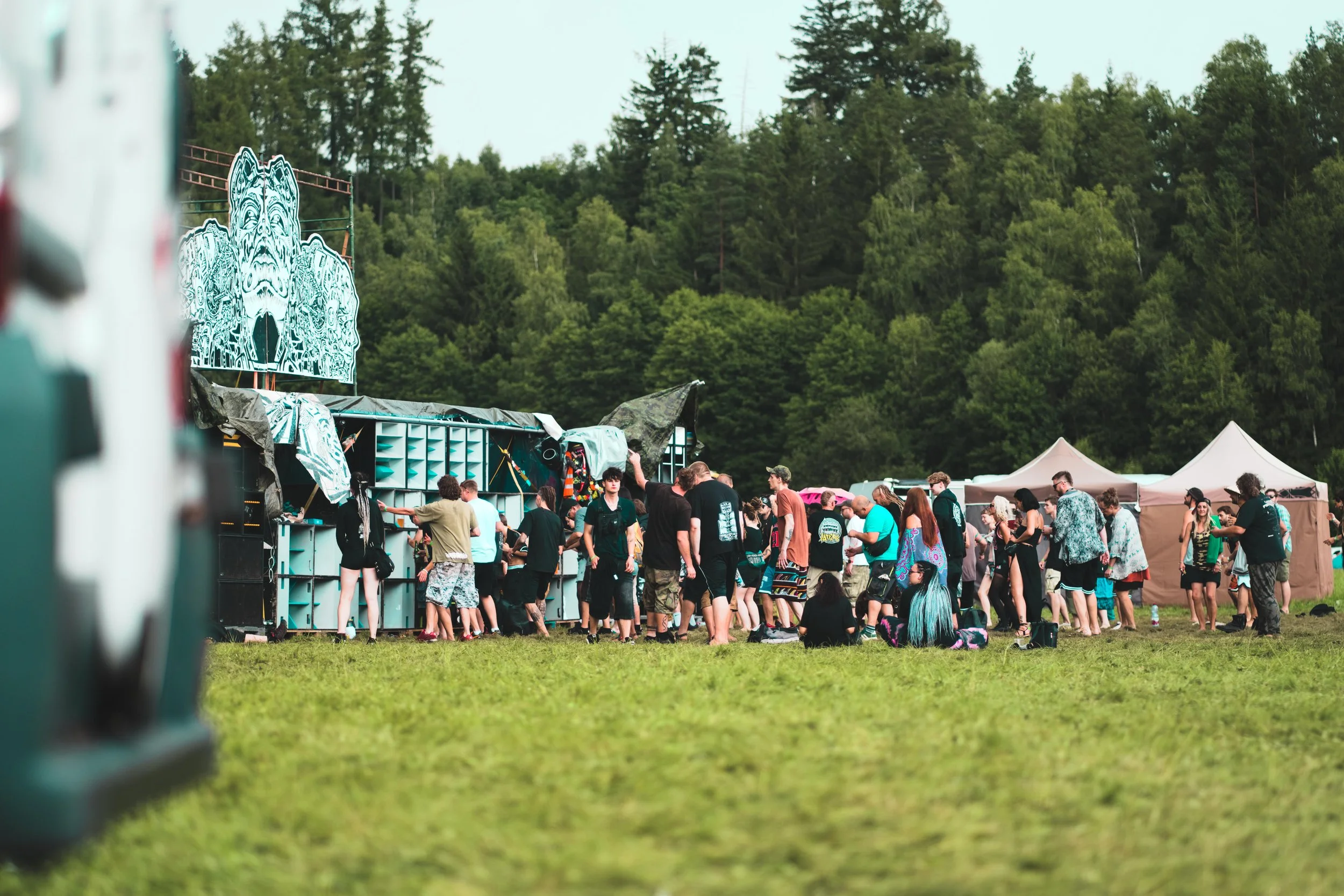
The Czech Republic became one of the central locations for largescale Teknivals in Central Europe during the late 1990s and early 2000s.
Its geographical position and relatively open environment attracted sound systems and participants from across the continent.
Events such as CzechTek became symbolic gatherings within the European Free Tekno movement, combining temporary autonomous spaces with large-scale sound-system culture.
While the scene experienced periods of political tension and police intervention in the past, parts of the Czech Free Tekno movement have gradually become more tolerated and normalized over time.
Compared to many other European countries, the Czech Republic remains strongly connected to the contemporary teknival scene and continues to host large independent gatherings across the country.


Spain
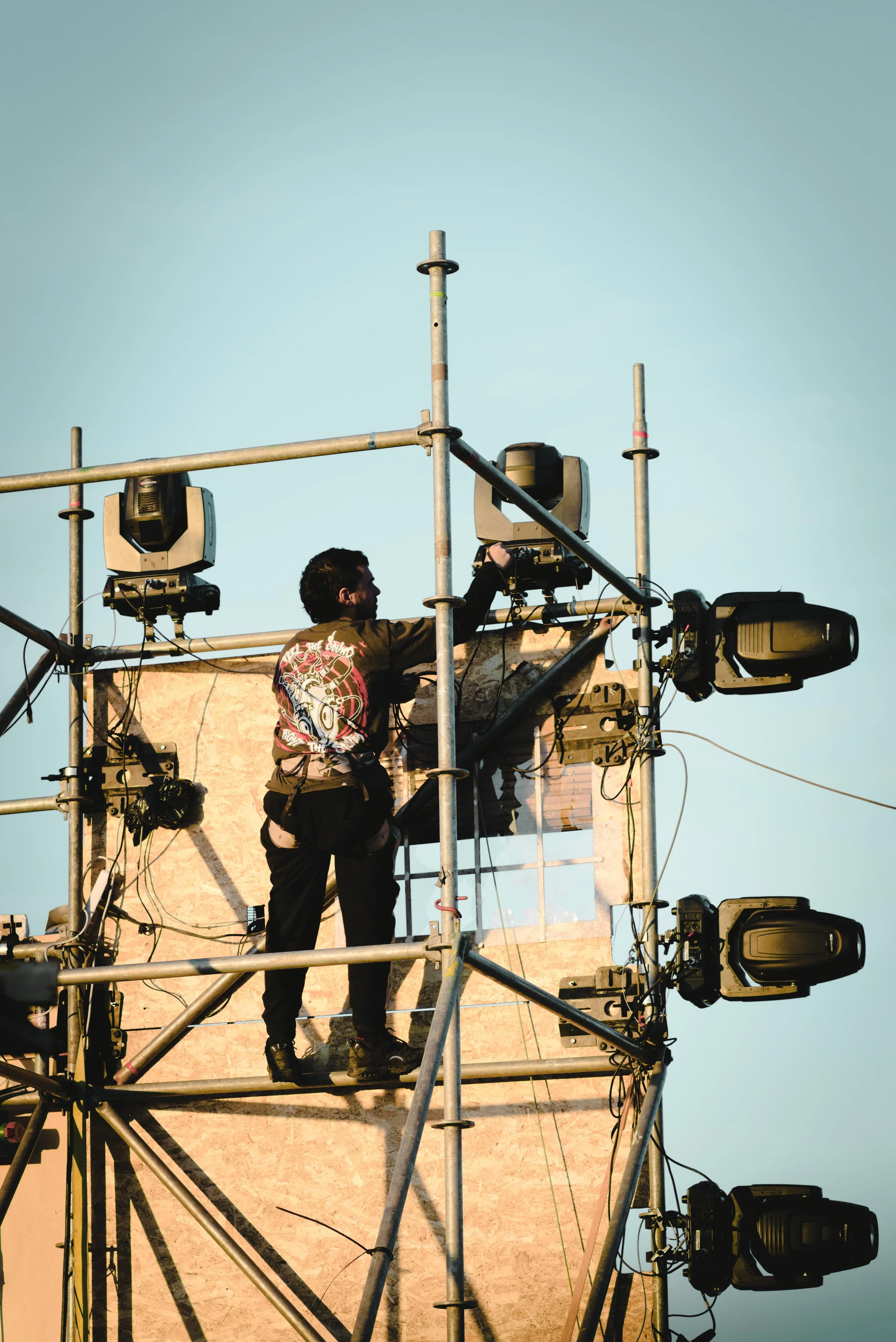
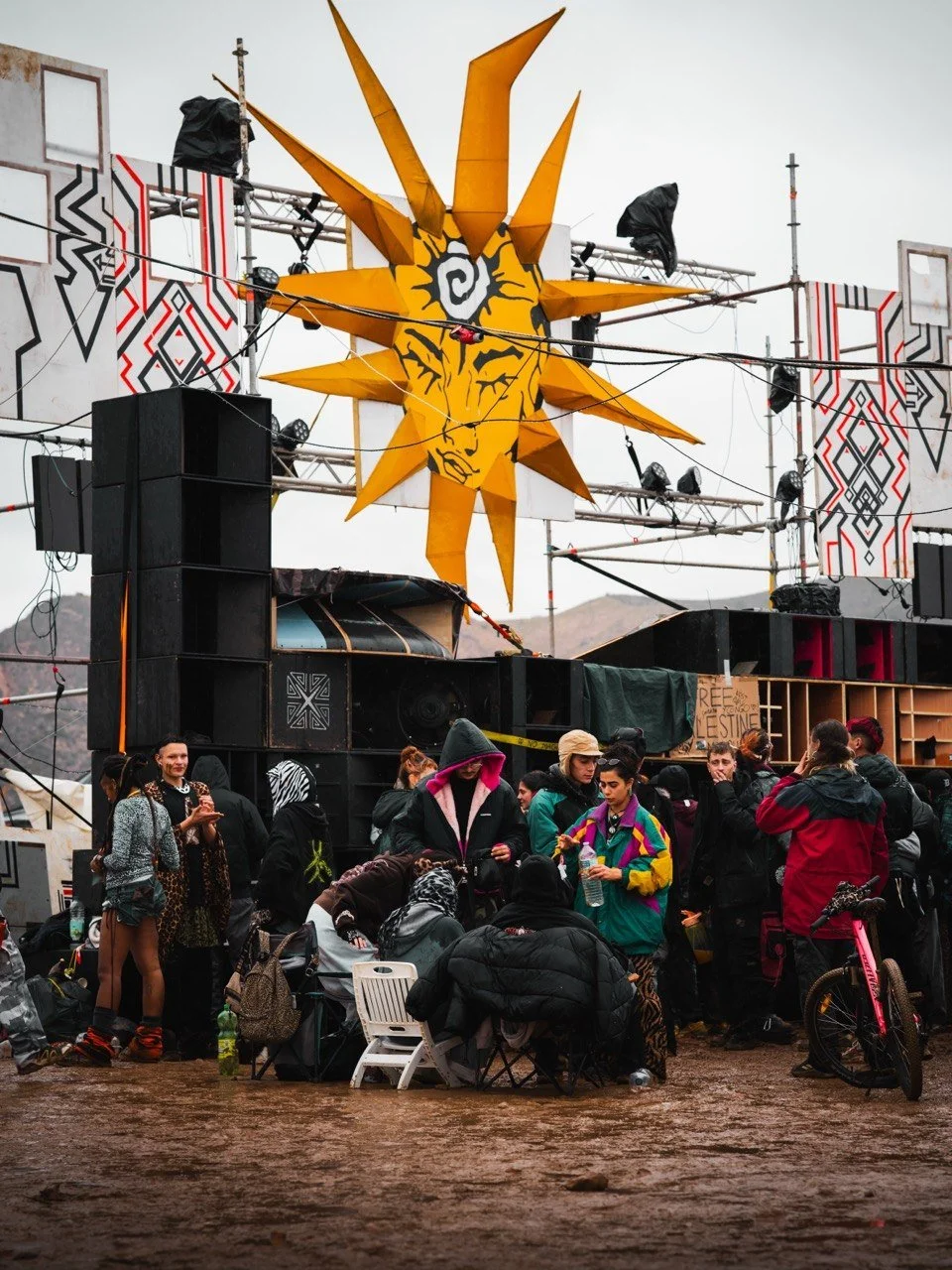
Within the Spanish free-techno scene, temporary camps and long-lasting gatherings often become part of the landscape itself.
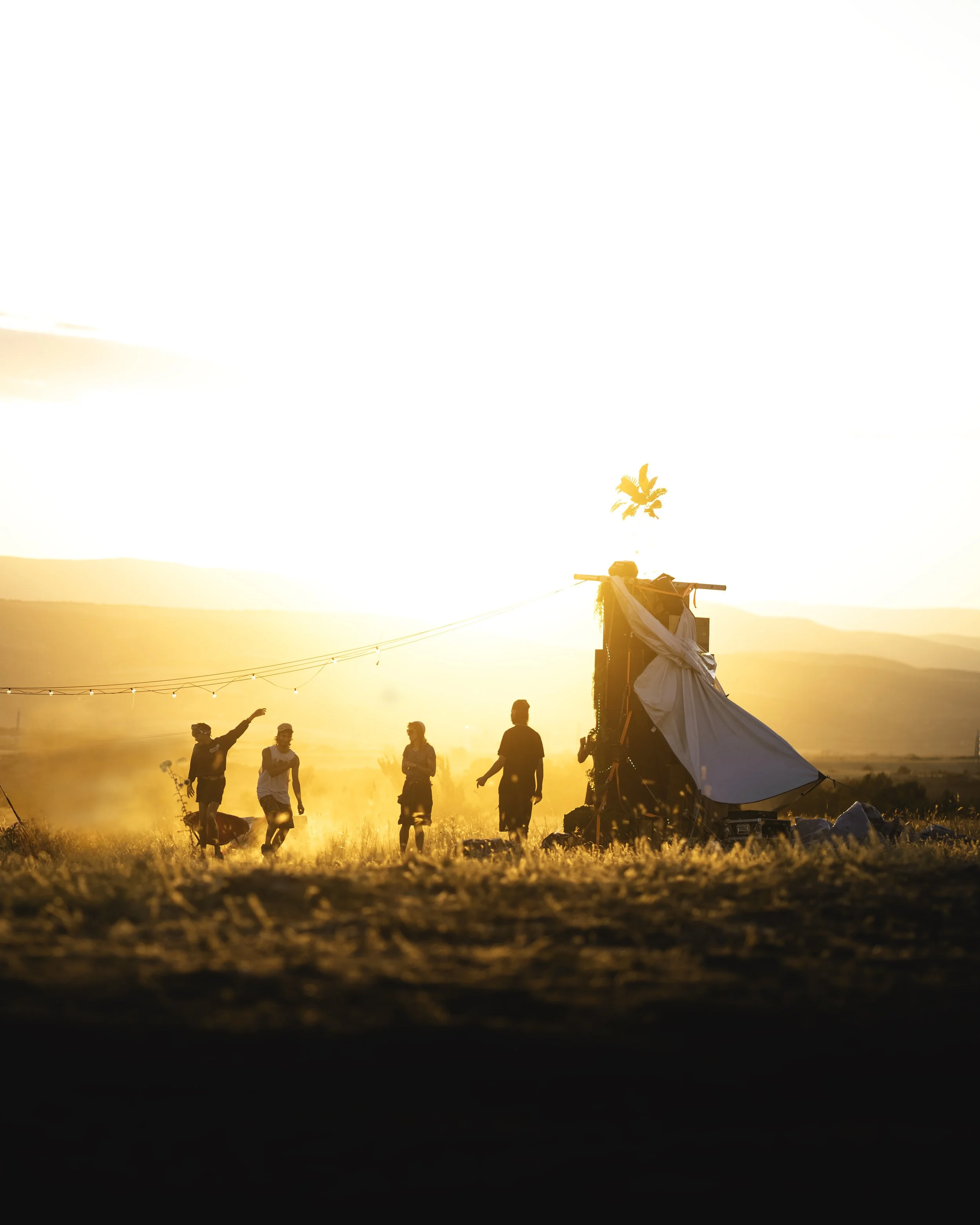
Events can continue for days or even weeks, creating constantly changing environments shaped by movement, heat, dust, and improvised infrastructure.
Compared to many other European countries, the atmosphere is frequently less defined by confrontation and more by mobility, coexistence, and the interaction between travellers, sound systems, and remote natural spaces.
Different forms of underground electronic music often merge within these environments, while participants from across Europe move between locations throughout the season.

POLAND
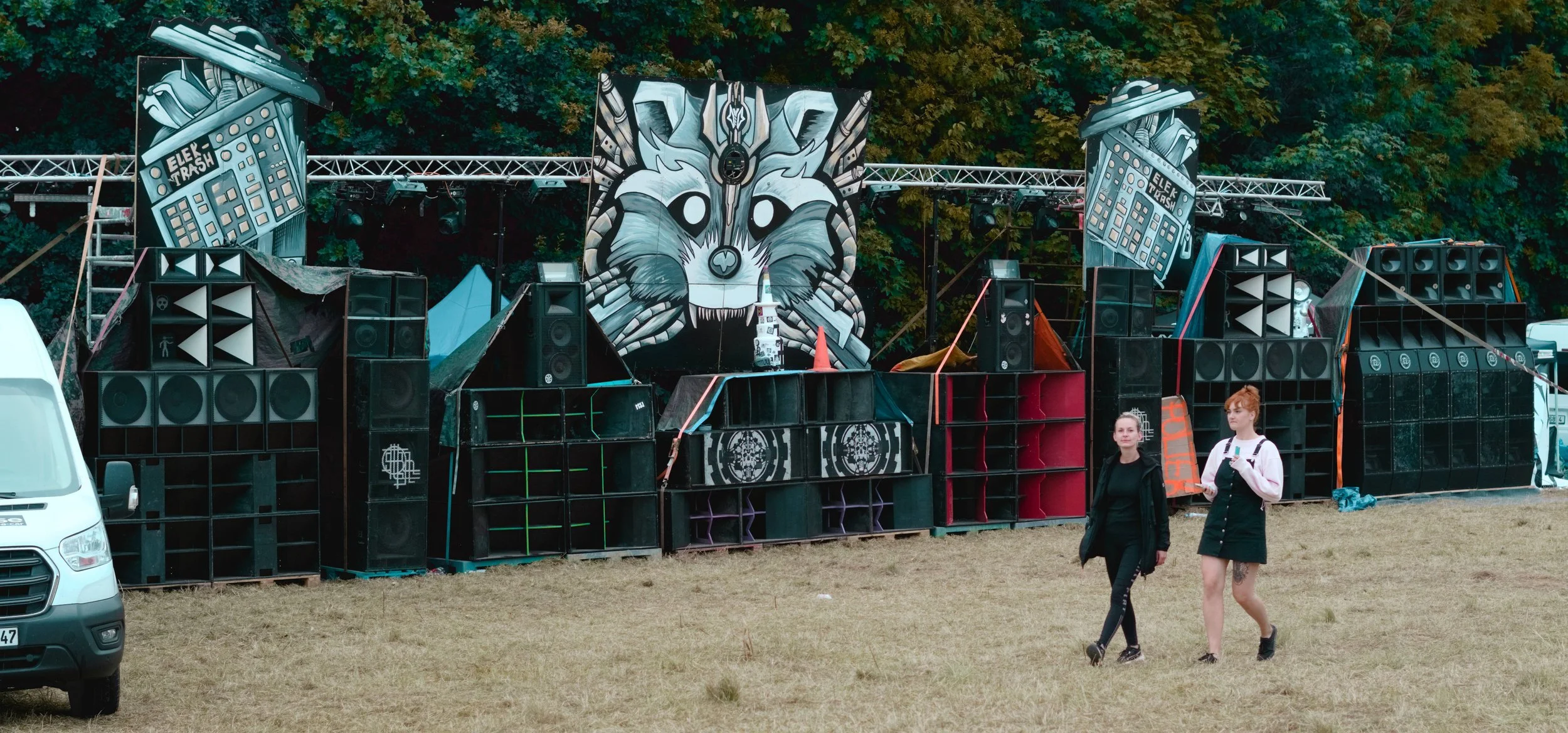
In Poland, the Free Tekno scene continues to exist largely through smaller independent gatherings and temporary soundsystem communities operating outside mainstream visibility.
Compared to some Western European countries, many events remain more decentralized and improvised, often emerging in remote industrial areas, forests, and abandoned spaces.
The scene is shaped by a strong DIY mentality, where infrastructure, logistics, and sound systems are collectively organized by local crews and travelling participants.
While generally less visible internationally, Poland remains connected to the broader European teknival network through mobile sound systems and underground collectives moving across borders.
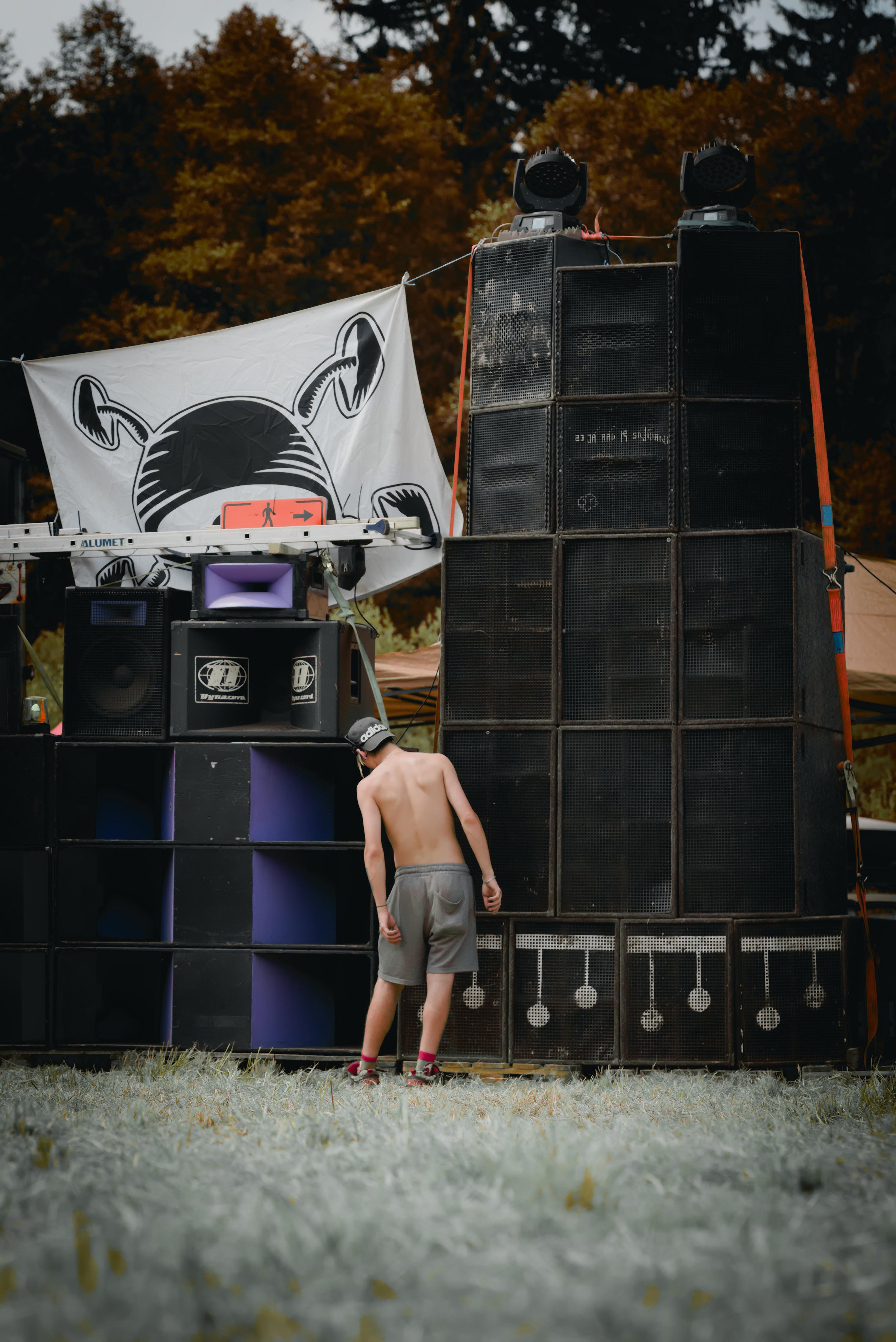
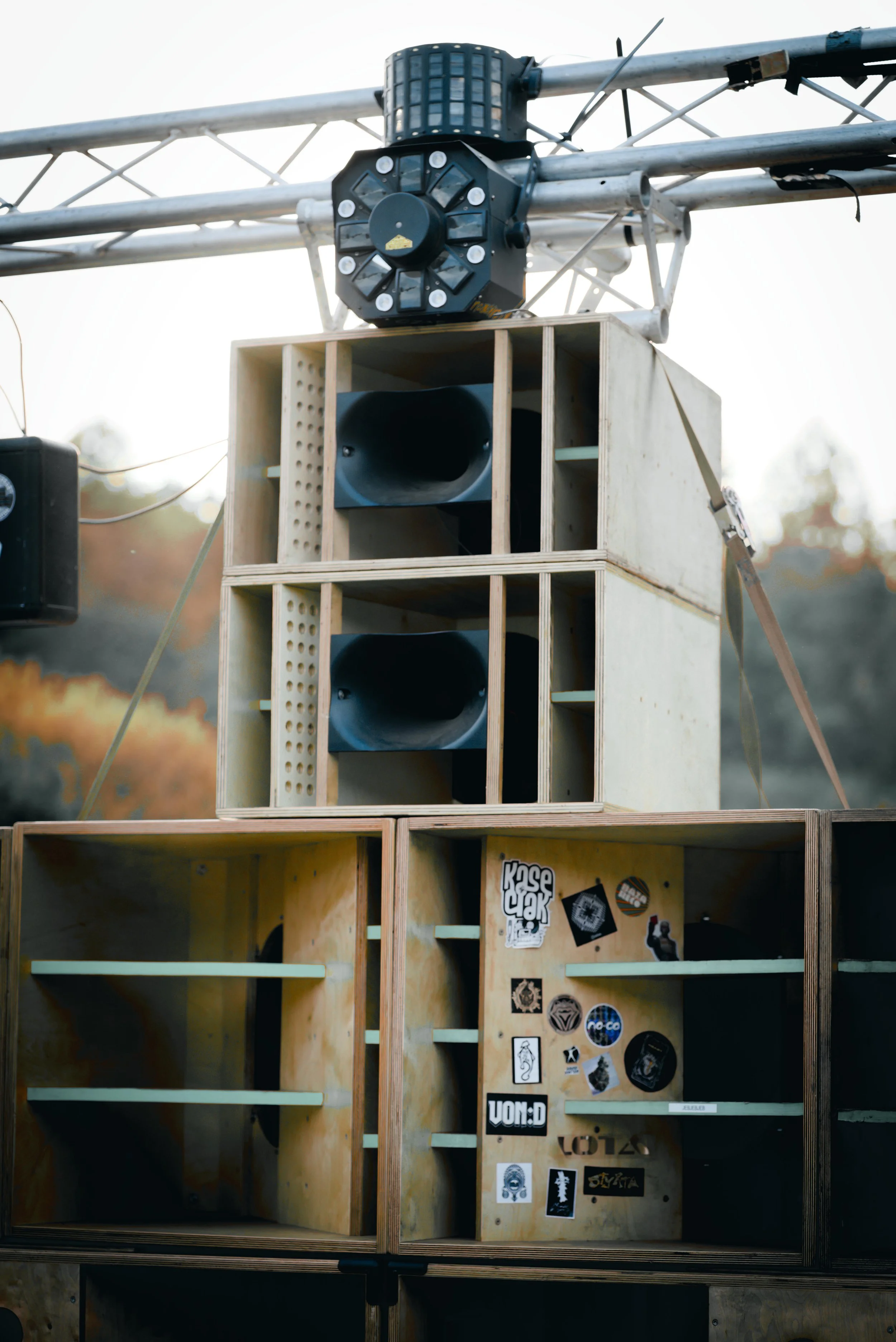
The following images document fragments of these temporary spaces and their surrounding environments.
BULGARIA
Within Bulgaria, free parties and temporary soundsystem gatherings often emerge far from larger urban centers between the hills, shaped by isolation, improvised infrastructure, and long periods of movement between locations.
Compared to more established scenes in Western Europe, many gatherings remain smaller, less visible, and strongly connected to local underground networks and travelling collectives.
Industrial ruins, remote open landscapes, and abandoned spaces frequently become temporary meeting points for participants moving across Eastern Europe during the summer season.
ROMANIA
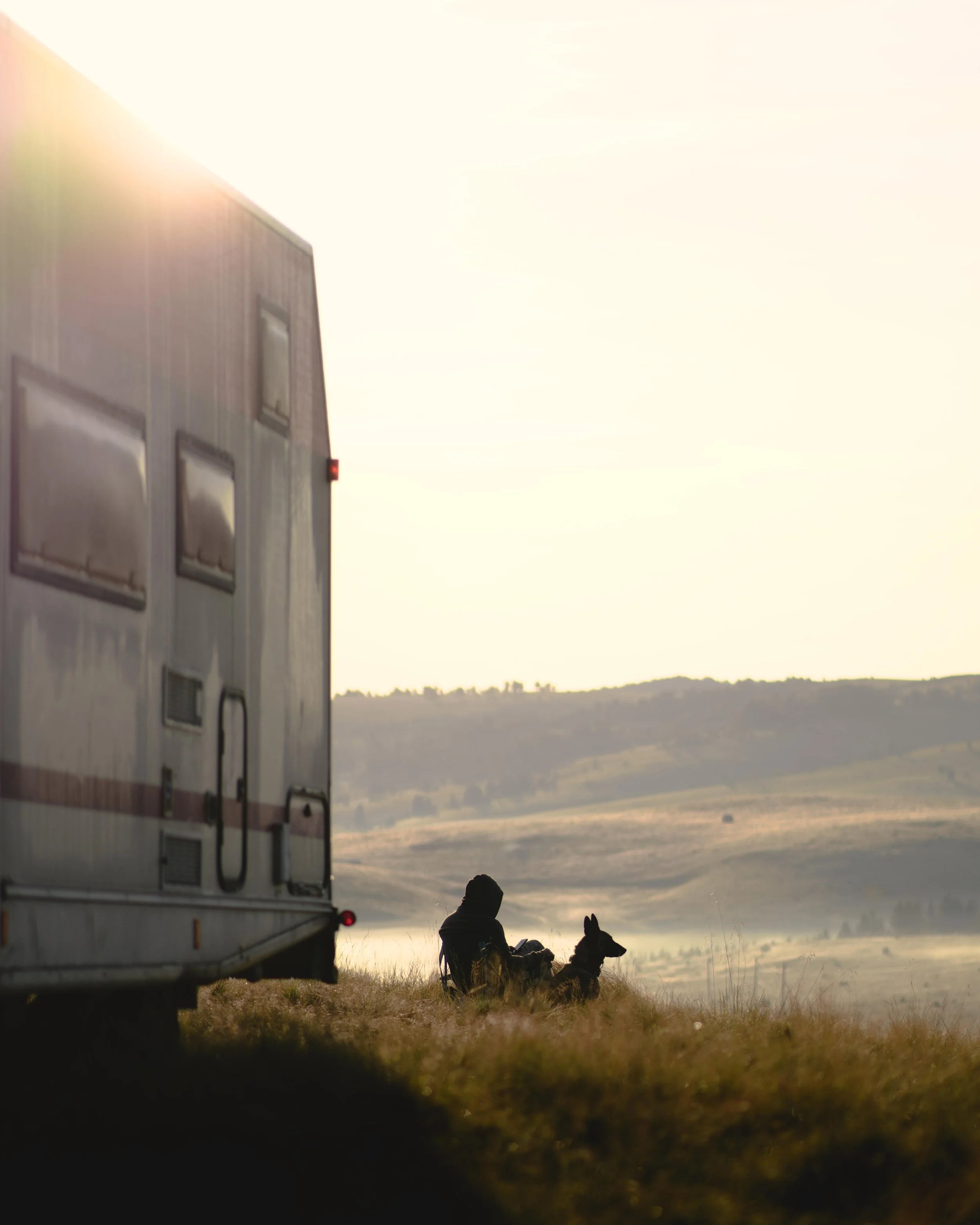
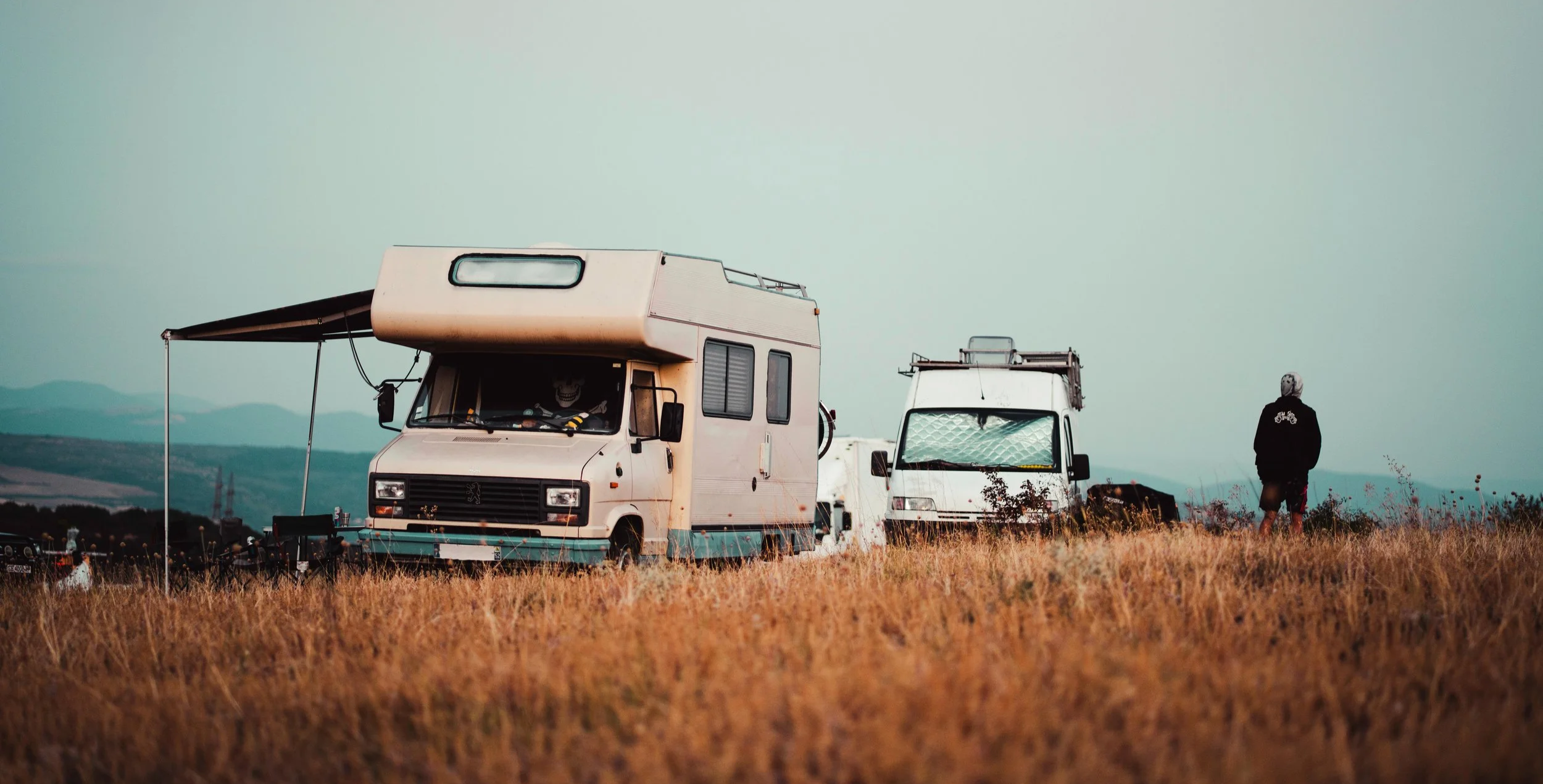
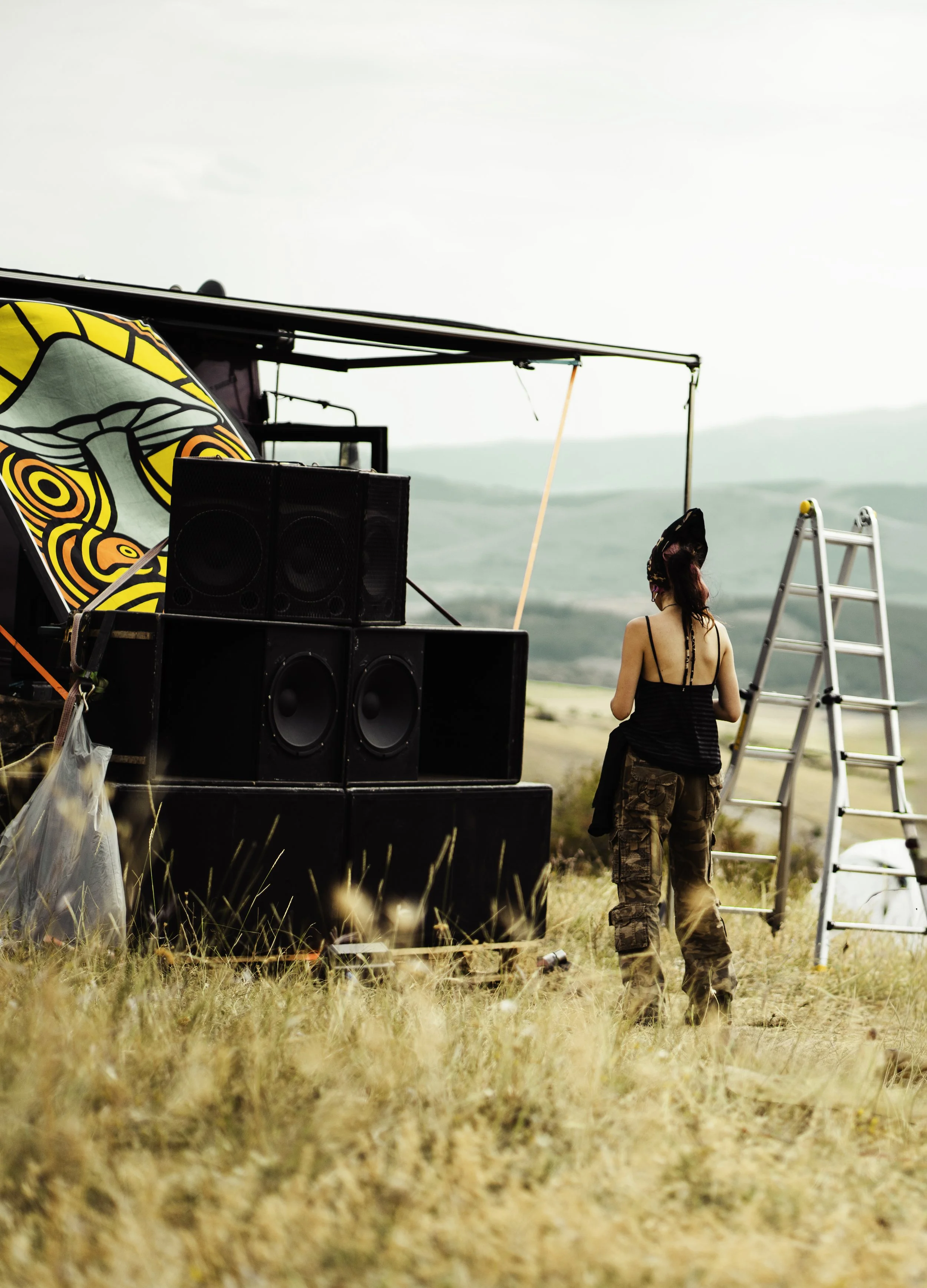
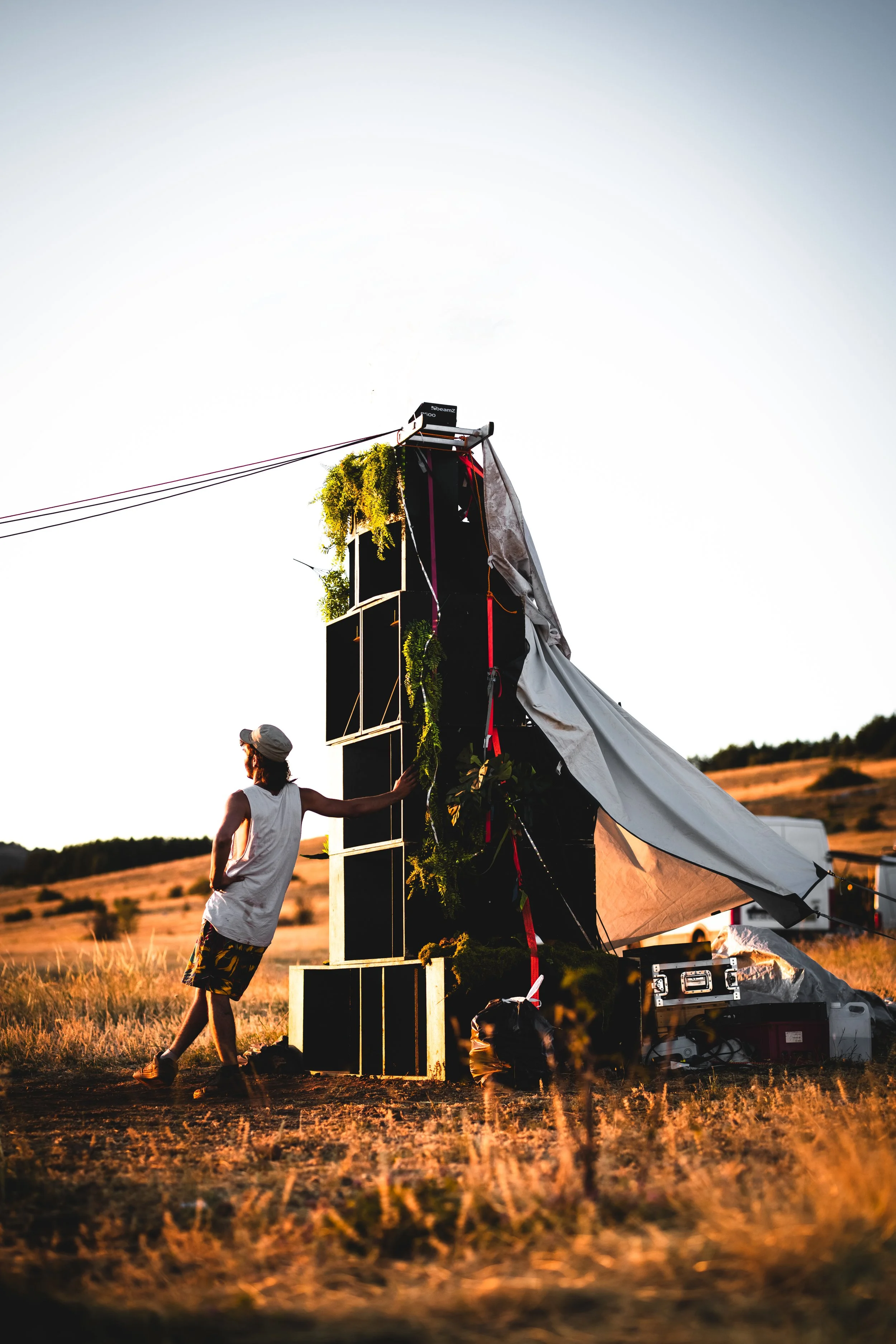
For many participants, gatherings in Romania are not isolated events but part of continuous movement across Europe during the summer season.
Travelling sound systems, converted vehicles, temporary camps, and mobile infrastructure move between countries over weeks or months, following routes that connect different teknivals and underground gatherings throughout the continent.
Long-distance travel becomes part of everyday life within these environments. Highways, border crossings, abandoned roads, fuel stations, forests, and remote landscapes gradually turn into transitional spaces between temporary communities.
Around Romaniatek, these movements become especially visible as participants from different countries converge in isolated regions far from urban structures before continuing toward the next location.